


The River Is the Region's Greatest Outdoor Gym
Access to nature improves physical health, mental well-being, and community connection.
Riverscape is helping transform the Wabash River corridor into a place where people paddle, bike, walk, gather, and recharge.
Nature Isn't a Luxury. It's Infrastructure for Human Health.
For most of human history, people lived close to natural landscapes and water. Today, many communities are separated from those environments by roads, development, and daily routines that keep us indoors.
But the science is increasingly clear: access to green spaces and blue spaces — parks, trails, wetlands, and waterways — plays a measurable role in improving physical health, mental well-being, and social connection.
Communities that invest in nature aren't just protecting landscapes.
They are investing in public health.

MENTAL HEALTH BENEFITS
Time Near Nature Restores the Mind
Studies consistently show that exposure to green and blue spaces reduces stress, anxiety, and symptoms of depression.
Even small amounts of time outdoors can make a difference. Research suggests that spending time in natural environments improves mood, increases positive emotions, and helps restore mental focus after long periods of stress or screen time.
People who live near green spaces report lower levels of depression, anxiety, and stress compared to those in less natural environments.
Water environments (rivers, lakes, wetlands) appear to offer additional psychological benefits. Simply being near water has been shown to reduce stress levels and promote a sense of calm.
That means the Wabash River isn't just scenery. It's a natural resource for mental well-being.

PHYSICAL HEALTH BENEFITS
Nature Encourages Movement
Access to trails, parks, and waterways makes it easier for people to stay active.
Walking, cycling, paddling, and outdoor recreation provide opportunities for regular exercise without the barriers that often come with gyms or structured programs.
Research shows that people who spend time in green spaces are more likely to engage in physical activity and experience lower rates of conditions like high blood pressure and cardiovascular disease.
Even short visits to natural environments can provide measurable health benefits.
Just 15 minutes in nature has been shown to improve mental health and reduce stress, while longer visits provide even greater benefits.
Creating safe, accessible outdoor spaces allows people of all ages to move more naturally throughout their day.

SOCIAL CONNECTION
Nature Brings Communities Together
Green and blue spaces don't just benefit individuals. They strengthen communities.
Parks, trails, and riverfront spaces create places where neighbors meet, families gather, and shared experiences take shape.
Research shows that natural spaces help increase social interaction and community cohesion — two factors strongly connected to long-term well-being.
Events along the Wabash, from rowing competitions and paddling events to festivals and community runs, bring people together around a shared natural asset.
The river becomes more than a landscape. It becomes a common ground.
Health & Wellness in action
View some of our videos on how you can create your health and fitness along the Wabash River. To see our full library of videos visit our YouTube channel.
DID YOU KNOW?

People who spend 120 minutes per week in nature report better overall health and well-being.

Being near water can lower stress and anxiety levels and promote relaxation.

Access to nearby parks and trails increases the likelihood of regular physical activity.



THE WABASH AS A WELLNESS RESOURCE
Turning the Wabash Into a Daily Resource
Riverscape is working to make the Wabash River corridor one of the region's most accessible outdoor spaces.
That means:
-
Expanding connected trail systems
-
Creating safe river access points for paddling and fishing
-
Supporting outdoor recreation and events
-
Protecting natural spaces like Wabashiki
-
Encouraging youth and community sports on the water
Organizations like the Wabash Valley Rowing Crew are already helping activate the river through youth athletics, rowing programs, and competitive events that bring new life to the riverfront.
Together, these efforts are transforming the Wabash into a place where people move, gather, and recharge.
WAYS TO EXPERIENCE THE RIVER

Trails and Greenways
Miles of connected walking and cycling routes that link parks, neighborhoods, and natural areas.
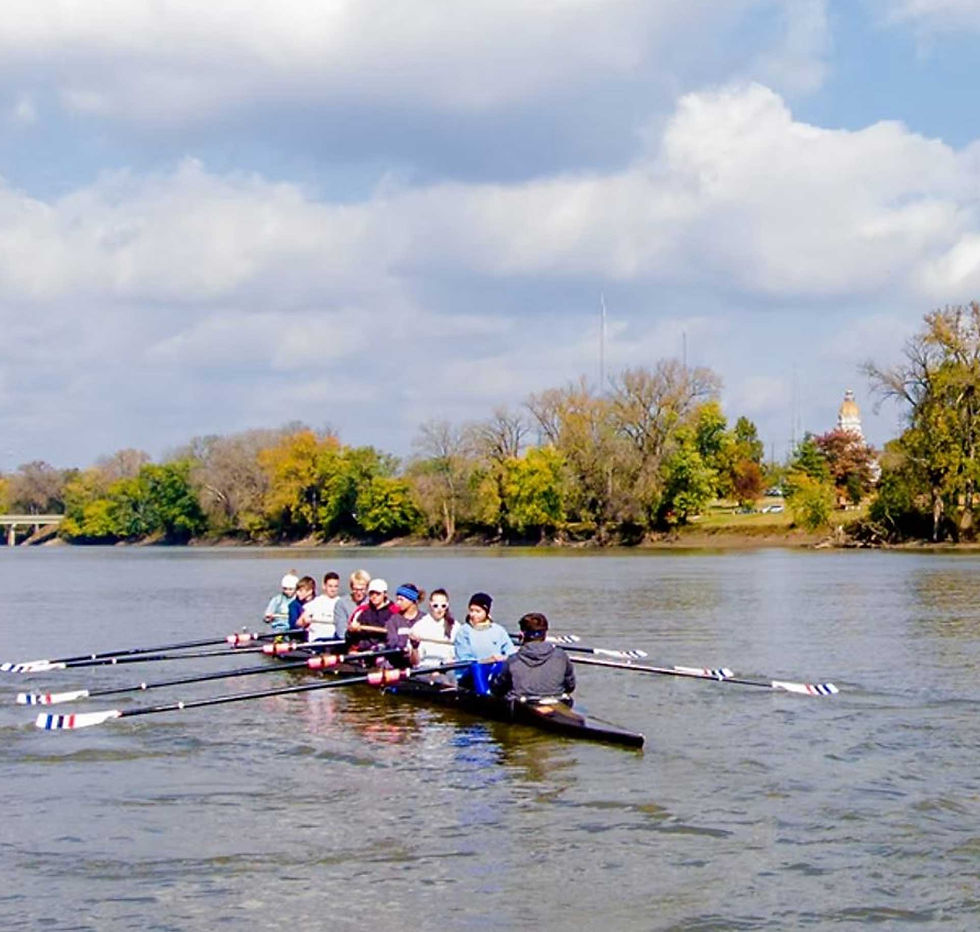
Rowing on the Wabash
Programs like the Wabash Valley Rowing Crew are helping people experience the river in a completely new way.
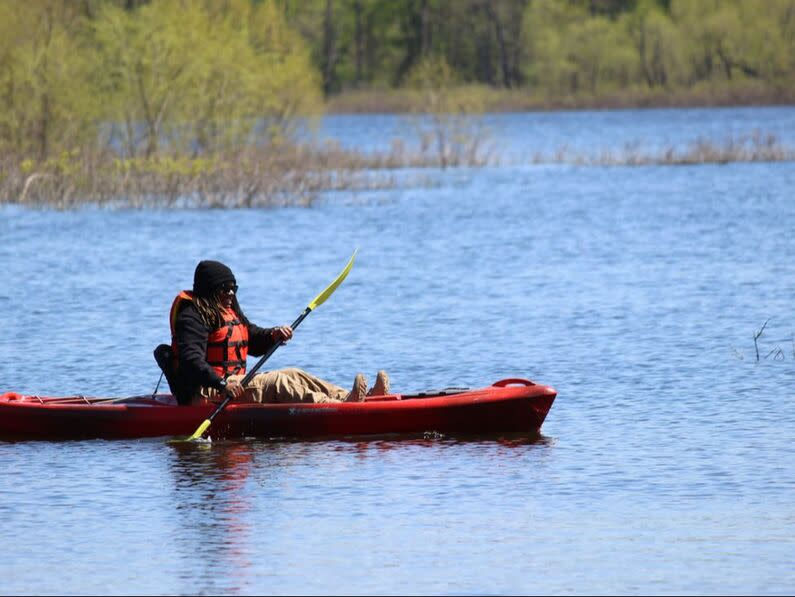
Paddle the Wabash
Kayak launches and paddling routes that open the river to beginners and experienced paddlers alike.

Community Events
Festivals, races, guided paddles, and outdoor gatherings that bring people together along the water.